

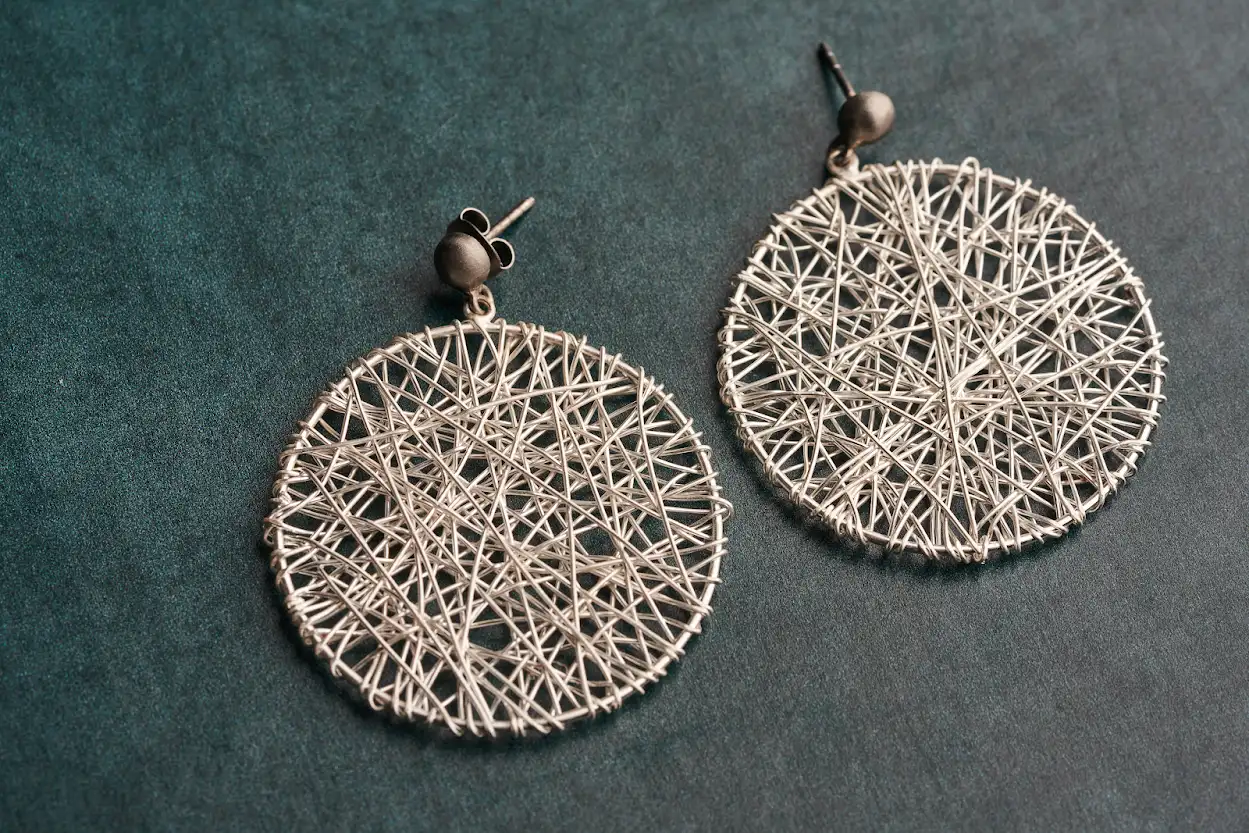
Earrings: A Brief History of Earrings Through the Ages
What was the first piece of jewelry you ever wore? If you answered earrings, you are definitely not alone.
Although ear piercings are often associated with femininity today, the practice of wearing earrings has a much longer history. For centuries, earrings have been worn by both men and women and have represented everything from cultural traditions and social status to personal beliefs and fashion.
The Ancient History of Earrings
The history of earrings goes back thousands of years. One of the most fascinating examples comes from the discovery of Ötzi the Iceman.
In 1991, a couple hiking through the Tyrolean Alps discovered a mummified body emerging from melting ice. The body became known as Ötzi the Iceman and was later identified as belonging to the Copper Age, more than 5,000 years ago.
Among the remarkable details discovered during the examination of Ötzi were tattoos and ear piercings measuring approximately 11mm in gauge.
This discovery provides fascinating evidence that ear adornment and body modification have been part of human culture for thousands of years.
Why Did Ancient People Wear Earrings?
Earrings have had different meanings throughout history and across cultures.
For some ancient communities, earrings were believed to provide protection or carry spiritual significance. It has been suggested that Ötzi’s ear adornments may have been associated with beliefs about protecting him from evil spirits.
Over time, earrings developed many different cultural and social meanings.
Earrings as a Symbol of Wealth and Social Status
In Ancient Egypt, earrings were associated with wealth and social class. Jewelry was an important part of Egyptian culture, and the materials and designs used could communicate a person’s position and status.
Earrings were therefore more than decorative accessories. They could also serve as visible symbols of identity and social standing.
Ear Piercing as a Rite of Passage
In some Native American cultures, ear piercing could form part of important cultural traditions and rites of passage.
For adolescents, piercing the ears could represent a transition into adulthood. This demonstrates how earrings and ear piercing have historically been connected not only to fashion but also to important stages of life.
Earrings in Ancient Rome
Earrings also carried different meanings in Ancient Rome.
At certain points in Roman history, ear piercings were associated with slaves, who were predominantly male. This is another example of how the meaning of earrings could change depending on the society, period, and circumstances in which they were worn.
The history of earrings therefore reflects much more than changing fashion trends. It also tells us about the cultures, beliefs, and social structures of different civilizations.
From Ancient Traditions to Modern Fashion
Today, most people do not wear earrings for the same reasons as their ancestors.
Instead, earrings are commonly chosen to express personal style, complement an outfit, celebrate cultural traditions, or simply highlight individual beauty.
However, the influences of history and culture can still be seen in modern jewelry designs.
The styles we choose can reflect our personality, cultural background, beliefs, and individual sense of fashion.
The Influence of Indian Culture on Jewelry Design
At Manjusha Jewels, jewelry design is inspired by a combination of history, culture, modern aesthetics, and personal expression.
Designer Joey incorporates a variety of influences into her earring designs, including elements from ancient traditions, contemporary styles, and her own Indian cultural heritage.
The goal is to create jewelry that allows every person to celebrate their individual beauty while offering designs that feel distinctive and timeless.
Why Earrings Continue to Stand the Test of Time
Few pieces of jewelry have remained as relevant as earrings.
From ancient civilizations to modern fashion, earrings have continuously evolved while maintaining their ability to express identity and individuality.
Whether you prefer simple studs, elegant hoops, gemstone earrings, or distinctive statement pieces, earrings can become an important part of your personal style.
Their long history also gives them a meaning that goes beyond decoration. Every pair can represent a combination of artistry, culture, tradition, and personal expression.
Conclusion
The history of earrings is a fascinating journey through thousands of years of human culture.
From Ötzi the Iceman and ancient civilizations to modern designer jewelry, earrings have served many purposes. They have represented protection, wealth, social status, cultural traditions, and personal style.
While the reasons we wear earrings may have changed over time, their ability to highlight individual beauty and express identity remains just as relevant today.
At Manjusha Jewels, these historical and cultural influences continue to inspire unique earring designs that bring together ancient inspiration, modern style, and Indian heritage.
Frequently Asked Questions About the History of Earrings
Q1: How old are earrings?
Earrings have been worn for thousands of years. Evidence associated with Ötzi the Iceman shows that ear piercings existed more than 5,000 years ago during the Copper Age.
Q2: Why did ancient people wear earrings?
Ancient people wore earrings for many different reasons, including cultural traditions, spiritual beliefs, protection, social status, wealth, and personal adornment.
Q3: Who wore earrings in ancient times?
Both men and women have worn earrings throughout history. Their use and meaning varied between different civilizations and cultures.
Q4: What did earrings symbolize in Ancient Egypt?
In Ancient Egypt, earrings could represent wealth and social status. Jewelry played an important role in Egyptian society.
Q5: Did men wear earrings historically?
Yes. Earrings were not exclusively worn by women. Historical evidence shows that men also wore earrings in different cultures and periods.
Q6: Why are earrings still popular today?
Modern earrings are popular because they provide an easy way to express personal style, complement an outfit, celebrate culture, and highlight individual beauty.
Q7: How has the design of earrings changed over time?
Earring designs have evolved from simple ancient forms to highly detailed modern styles. Today’s designs can combine historical influences, cultural traditions, gemstones, precious metals, and contemporary fashion.
Q8: How does Indian culture influence earring design?
Indian culture has a long and rich jewelry tradition. Elements of Indian heritage, traditional craftsmanship, patterns, colors, and cultural symbolism can inspire contemporary earring designs.