

Onyx in Ancient Rome: History, Jewelry & Roman Art
Onyx has a fascinating history that stretches back thousands of years. The gemstone has been admired for its distinctive layers, rich colors, and natural patterns, making it a popular material for jewelry and decorative objects throughout history.
One particularly fascinating chapter in the story of this gemstone is onyx in Ancient Rome, where it was used in personal adornments and other precious objects.
Pompeii and the Ancient Roman World
You’re probably familiar with the story of Pompeii—the once prosperous seaside town along the Bay of Naples that was devastated by the eruption of Mount Vesuvius in 79 AD.
Although the event was tragic, the destruction of Pompeii ultimately preserved a remarkable glimpse into the Ancient Roman world.
Archaeological discoveries have revealed remarkably preserved artifacts, including organic food remains, mosaics, household objects, and jewelry. These discoveries provide valuable insight into how people lived during this fascinating period of history.
Herculaneum: Pompeii’s Often-Forgotten Sister City
Pompeii was not the only city affected by the eruption of Mount Vesuvius.
Nearby Herculaneum was also destroyed on that fateful day. Although it was located even closer to Mount Vesuvius, weather patterns and other circumstances meant that the two cities were affected differently.
These differences also influenced how the cities were later discovered and excavated and the condition in which their remains were found.
Fortunately, archaeologists were able to carefully uncover many of their artifacts and remains. Today, these discoveries allow visitors and historians to develop a better understanding of what life may have been like for people living in the Roman world.
Onyx in Ancient Roman Jewelry
Many artifacts discovered from Pompeii and Herculaneum have been moved to museums around the world.
The National Archaeological Museum of Naples is particularly important because it houses an extensive collection of precious objects, including pieces made from onyx.
Onyx was widely used throughout Ancient Rome. Its distinctive layered appearance made it an appealing material for jewelry, personal adornments, and other decorative objects.
One notable example is an onyx signet ring associated with Roman Emperor Augustus, demonstrating the importance of the gemstone in Roman personal adornment.
What Is Onyx?
Onyx is a variety of chalcedony characterized by its layered structure.
Its bands can appear in different colors and patterns, giving individual pieces a distinctive natural appearance. This variety has helped make onyx an enduring material for jewelry and decorative arts.
The natural patterns found within the stone also make each piece visually unique.
For jewelry designers, these characteristics provide an opportunity to create pieces that combine the beauty of the natural gemstone with thoughtful design.
Pliny the Elder and His Writings About Onyx
One of the most fascinating historical sources about onyx comes from Pliny the Elder.
Pliny the Elder was a Roman author and naturalist who documented extensive observations about the natural world in his encyclopedia, Naturalis Historia.
His work included detailed discussions of minerals and gemstones, including onyx.
His writings describe different varieties of Indian onyx, including fiery-colored and black varieties as well as stones featuring white veins.
These historical observations demonstrate how closely people in the Ancient Roman world studied and appreciated natural gemstones.
The Lasting Legacy of Roman Onyx
Although thousands of years have passed since the days of Ancient Rome, the beauty of onyx continues to inspire jewelry designers today.
The gemstone’s natural layers, colors, and patterns give it a timeless quality that works equally well in classic and contemporary jewelry.
The historical connection between onyx and Roman jewelry makes the gemstone even more fascinating for collectors and jewelry lovers.
Ancient Inspiration in Modern Jewelry Design
At Manjusha Jewels, designer Joey draws inspiration from art and design from many different historical periods.
This interest in history can be seen in the choice of gemstones and classic silhouettes used throughout the collection.
Onyx is particularly inspiring because the stone brings together the beauty of the natural world with stories from the past.
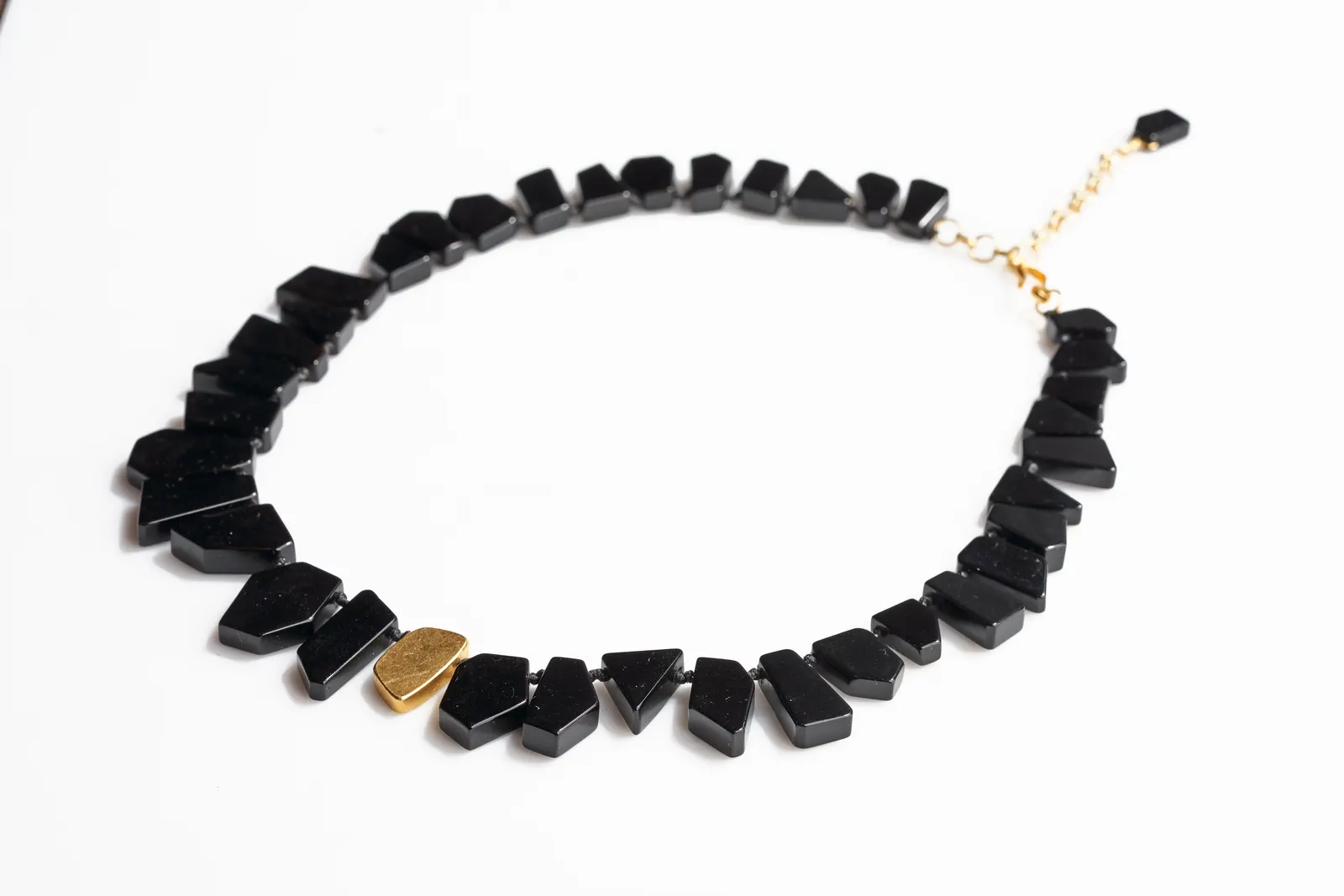
A piece featuring onyx can therefore feel like more than a beautiful accessory. It can also evoke the artistry, craftsmanship, and history associated with civilizations that valued the stone centuries ago.
Why Onyx Remains Timeless
The appeal of onyx has survived for generations because of its distinctive appearance and versatility.
Its deep tones and natural banding can create a sophisticated look, while its connection to ancient jewelry gives it an additional sense of history and character.
From Ancient Rome to contemporary jewelry collections, onyx continues to demonstrate how a natural gemstone can transcend time and remain relevant across different eras.
Conclusion
The story of onyx in Ancient Rome offers a fascinating connection between natural beauty, history, art, and jewelry.
From the archaeological discoveries of Pompeii and Herculaneum to Roman personal adornments and the writings of Pliny the Elder, onyx played an important role in the artistic and cultural world of the ancient era.
Today, the gemstone continues to inspire jewelry designers. Its distinctive patterns and timeless appearance allow modern creations to connect with the artistry and traditions of the past.
At Manjusha Jewels, these historical influences continue to inspire designs that bring together beautiful gemstones, classic silhouettes, and stories from different periods of history.
Frequently Asked Questions About Onyx in Ancient Rome
Q1: Was onyx used in Ancient Rome?
Yes. Onyx was used in Ancient Rome for personal adornments and other precious objects. Archaeological discoveries provide examples of Roman objects made with onyx.
Q2: Why was onyx popular in Ancient Roman jewelry?
Onyx has distinctive layers, colors, and natural patterns that made it an attractive material for jewelry and decorative objects. Its unique appearance allowed artisans to create visually striking pieces.
Q3: What is the connection between Pompeii and onyx?
Archaeological excavations of Pompeii and the surrounding Roman world have uncovered jewelry and other precious artifacts, helping researchers understand the materials and styles used during the period.
Q5: Did Roman Emperor Augustus wear onyx?
An onyx signet ring associated with Roman Emperor Augustus is cited as an example of how onyx was used in Roman personal adornment.
Q6: What did Pliny the Elder say about onyx?
Pliny the Elder documented different varieties of onyx in his natural-history writings, including descriptions of Indian onyx with different colors and vein patterns.
Q7: Where can you learn about Ancient Roman jewelry?
Museums and archaeological collections provide important opportunities to study jewelry and precious objects from the Ancient Roman world. The National Archaeological Museum of Naples is particularly significant for artifacts associated with Pompeii and Herculaneum.
Q8: Why is onyx still popular in modern jewelry?
Onyx remains popular because of its distinctive natural patterns, elegant appearance, versatility, and long history in jewelry and decorative arts.
Q9: How does Ancient Rome inspire modern jewelry design?
Ancient Roman art, architecture, jewelry, and craftsmanship can inspire modern designers through classic silhouettes, historical motifs, and the use of gemstones such as onyx.
2 comments on “Onyx in Ancient Rome: History, Jewelry & Roman Art”